

A neighbourhood barbecue may seem spontaneous, but a successful evening also needs good organisation. The trick is to keep it sociable and efficient: enough food, a clear structure and an outdoor kitchen that does the work for you. With this approach it stays enjoyable, even with ten neighbours at once.
Start with the invitation
A good neighbourhood barbecue starts with an invitation that's clear, enthusiastic and cleverly organised. It sets the tone: who's sorting what, how many people are coming, and what they can expect.
- Choose the right moment. Two to three weeks in advance is ideal. That gives everyone time, while keeping it spontaneous.
- Use a single channel. A WhatsApp group or neighbourhood app works better than separate messages. That way you can easily coordinate food or weather later on.
- Be specific in your message. State straight away:
- Who's organising it (you, together with any neighbours).
- What you're providing (e.g. grill, main courses, outdoor kitchen).
- What others should bring (salads, bread, chairs, dessert).
- Time and location ("From 4pm in our garden, food around 5.30").
- Ask for confirmation. Have people let you know whether they're coming and how many of them there will be. That makes shopping and planning much easier.
- Give it a name. "Summer Street BBQ" or "Street Grill 2025" sounds better than "barbecue at mine". Small effort, big impact: it makes it a shared event rather than a personal one.
Everyone knows where they stand, and you show that this isn't just any grill night, but perhaps the neighbourhood get-together of the year.
Choose a menu that suits a large group
| Category | Recommended dishes | Advantage for large groups |
|---|---|---|
| Meat | Chicken drumsticks, burgers, sausages | Cheap, easy to prepare and quick to grill |
| Fish | Salmon parcels, prawn skewers | Takes up little space on the grill, easy to control cooking |
| Vegetarian | Vegetable skewers, halloumi, grilled corn on the cob | Filling, easy to prepare in advance |
| Side dishes | Bread, salads, sauces | Perfect for neighbours to bring; less work for the chef |
Share out the responsibilities
A neighbourhood barbecue runs most smoothly when you don't try to do everything yourself. Agree in advance who's taking on which task. Let one neighbour take care of the drinks, someone else sort out the chairs or the music, and ask a few neighbours to make or bring dessert.
That way everyone feels involved, things stay organised and you avoid having to be the street's director all evening. You stay in charge of the cooking, while the rest of the neighbourhood helps make the evening a success.

Lighting and warmth make all the difference
A neighbourhood barbecue rarely ends when the food runs out. Once things get cosy – and they almost always do – people stick around. Then it's important to have a garden that invites people to stay, not a place that quickly empties after sunset.
So make sure your outdoor kitchen and patio are set up for the late hours too. Above your worktop you'll want directional spotlights so you can keep seeing what you're doing, even when it gets dark. Combine that with warm ambient lighting around the seating area or table – string lights, wall lamps or spotlights under the canopy work perfectly. The light doesn't need to be bright; it should create atmosphere and guidance.
And don't forget the temperature. As soon as the sun goes down, you want heat sources in the right places. A fire table or heater keeps people seated instead of reaching for their coats. Don't place the heat source too close to the grill, but rather by the seating or bar area where the conversations carry on.
Good lighting and warmth make the difference between a successful barbecue and an evening that ends as soon as it gets chilly. The best street parties are the evenings that carry on by themselves, with some smouldering charcoal, a drink in hand and neighbours who don't want to go home.
Think ahead about tidying up
A neighbourhood barbecue often runs late, and with lots of guests the rubbish quickly piles up.
- Put out clearly marked bins for plastic, general waste and glass.
- Use disposable dishes or foil trays for leftovers.
- Keep one table or crate aside for used plates and cutlery.
- Ask two neighbours to help clear up afterwards.
That way it stays tidy, the evening ends on a relaxed note and you won't have to walk round the garden with a bin bag the next morning.
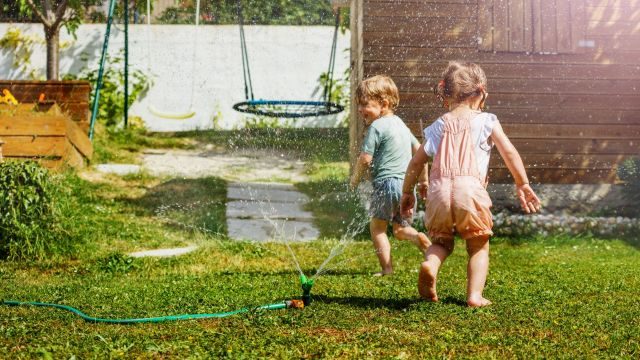
Plan the set-up of the evening
Once you know who's coming, you can organise the evening tightly. First collect the RSVPs so you have a realistic idea of the number of adults and children. Then make a short schedule: when the fire gets lit, when you'll eat, and the moment when you can join in the fun instead of just cooking.
Finally, lay out your garden cleverly for grilling, eating and playing. That way everyone automatically knows where they should be, and your outdoor kitchen remains the centrepiece of the evening, exactly as intended.